
A narrow window above the weather
A total solar eclipse lasts only minutes in any one place. For the researchers studying the Sun’s outer atmosphere on August 12, cloud cover over the North Atlantic could have hidden a rare observing window. NASA pilots answered that problem by taking the instruments above much of the weather.
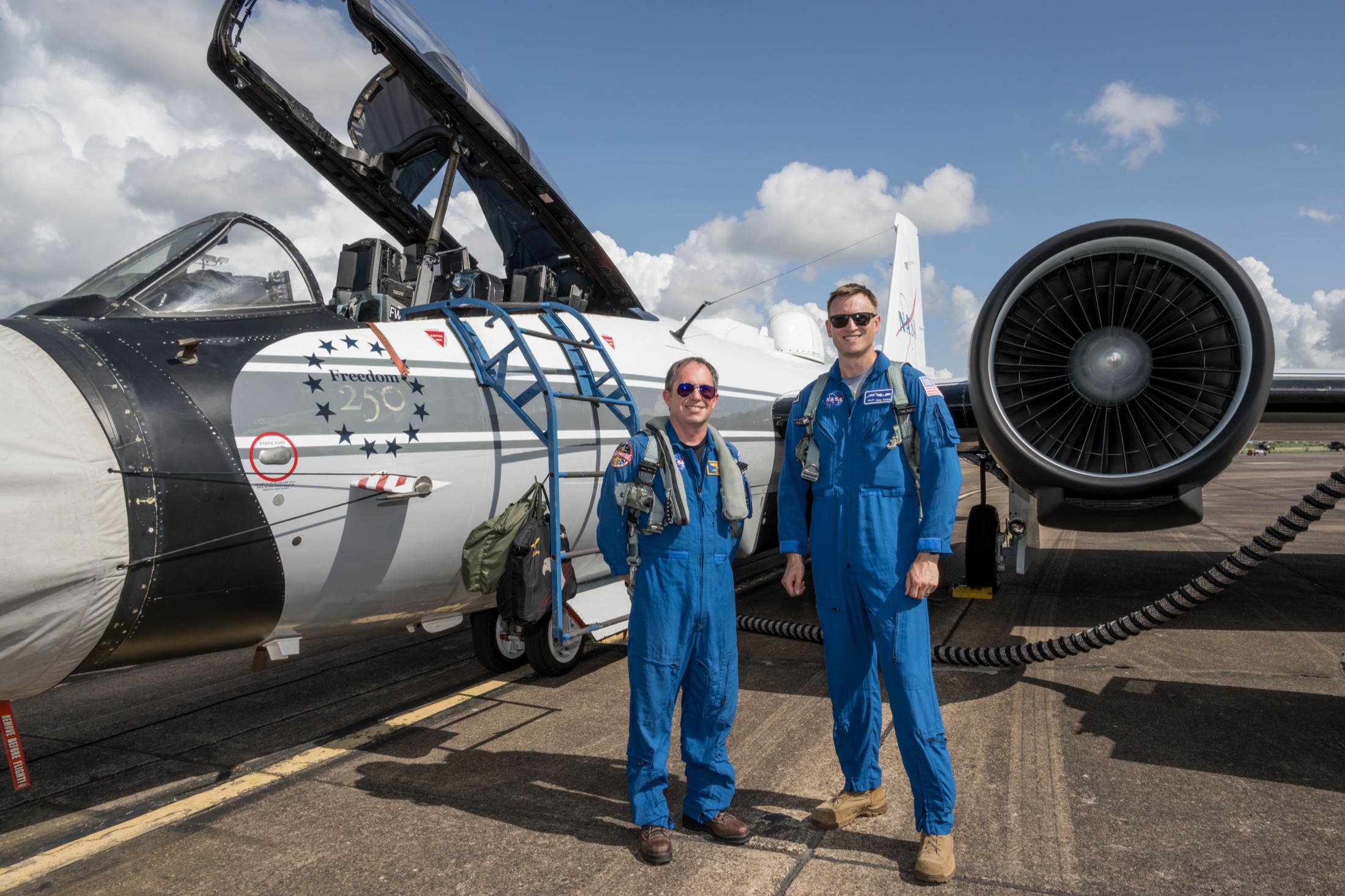
A WB-57F high-altitude research aircraft left its Houston base for Iceland, then flew through the path of totality with cameras aimed at the corona. NASA says the crew captured observations throughout the brief eclipse window while operating around 50,000 feet above Earth.
The flight did not solve the long-standing question of why the corona is far hotter than the Sun’s visible surface. It produced another carefully timed set of observations that researchers can analyze alongside measurements from the ground, balloons, and spacecraft.
What the flight made possible
The corona is plasma shaped by magnetic fields. Studying it helps scientists understand processes that influence space weather near Earth, but an eclipse is an opportunity rather than an answer. The images still need analysis, comparison, and interpretation before they can support new scientific conclusions.
NASA’s broader eclipse account shows why the aircraft mattered. The path crossed large areas of ocean where researchers could not simply move a ground telescope to the next clear town. A mobile platform made it possible to place cameras where the shadow and the viewing conditions could meet.
The useful success here is operational: pilots, sensor operators, engineers, and scientists coordinated a complicated flight and returned with data from a moment that could not be repeated the next day. The scientific result remains open, exactly as it should.
What comes next
Researchers will study the observations for structures and changes in the corona, then compare them with other eclipse records. Future findings will need their own evidence. For now, the public record supports a narrower good-news claim: a U.S. research crew successfully created a clearer opportunity to learn from a fleeting natural event.