
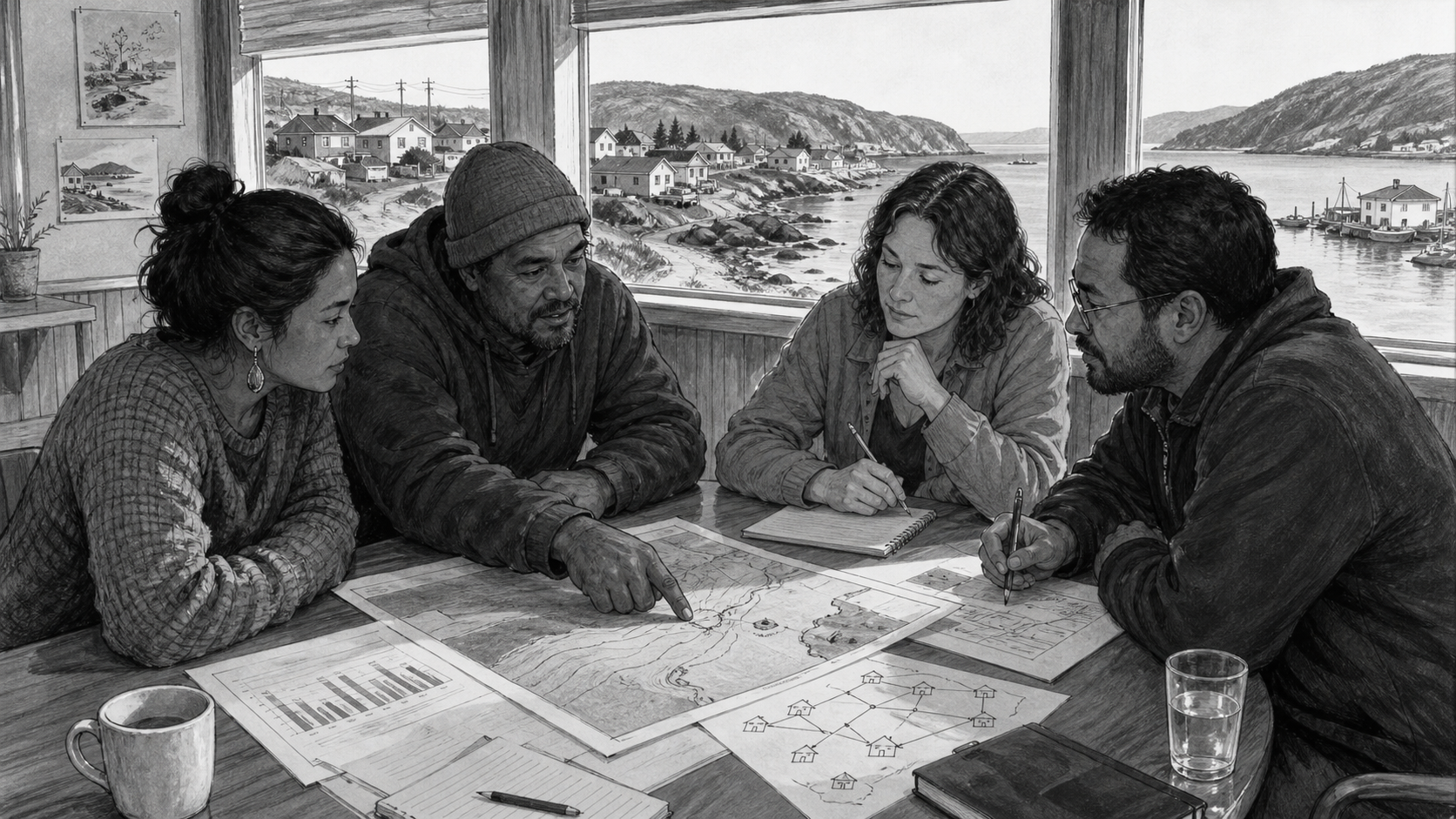
For a small coastal town, an island community, or a remote Tribal community, a better energy plan can begin long before anyone orders equipment. It can begin with enough time, local knowledge, and technical help to ask the right questions.
The U.S. Department of Energy is accepting applications for the sixth annual Energy Technology Innovation Partnership Project, known as ETIPP. The application window is open through November 18, 2026, for eligible coastal, remote, and island communities in the United States and its territories.
Planning starts with the place
ETIPP pairs selected communities with a regional partner and researchers from four national laboratories. Together, they can examine needs involving energy reliability, generation and storage, efficiency, transmission and distribution, workforce development, regulation, and other locally identified priorities.
The program describes the work as community-driven. Local leaders, residents, and organizations bring knowledge of the place; regional partners help communities prepare and stay connected; laboratory researchers contribute analysis and planning expertise. After selection, those groups scope the project together instead of arriving with one predetermined answer.
Two kinds of assistance
The National Laboratory of the Rockies says ETIPP projects run for 4 to 24 months. Communities may pursue strategic energy planning or a longer deep-dive technical-assistance project, depending on their needs.
In addition to in-kind technical assistance, selected strategic-planning communities may receive up to $20,000 to support their participation, while selected deep-dive communities may receive up to $50,000. Those amounts are possible support for participating in ETIPP, not guaranteed construction awards, infrastructure funding, or promised energy savings.
The first step comes before the application
Prospective applicants are required to meet with the regional partner serving their area before applying. The required meeting allows the applicant and regional partner to discuss the proposed project before submission. Applications close November 18.
DOE says the program’s first five cohorts supported 95 community projects across 21 states and territories. That history does not guarantee selection or a particular outcome for a new applicant. It does show a model built around a useful idea: communities should have a meaningful role in deciding what kind of energy future makes sense where they live.